

How African Doctors Can Use AI in Daily Practice: The Complete 2026 Guide
By Dr Festus Kaasung Kunde, MD | Stavropol State Medical University
Medical Doctor | AI in Healthcare Advocate | Founder, AI Doctor Africa & Ghana Vitals
Published: June 2026 | Reading Time: 20–25 minutes | Category: AI for Doctors
Quick Summary
African doctors face unique clinical challenges that most AI guides ignore. However, the right AI tools — used correctly — can transform how African doctors learn, research, document, and serve their patients. This guide explains exactly how to use AI in daily African medical practice: which tools to use, when to use them, and how to adapt them for the African clinical context, disease burden, and resource environment.
AI Has Arrived in African Medicine — Are You Ready?
Something important is happening in African healthcare. Doctors across Ghana, Nigeria, Kenya, and South Africa are quietly integrating AI tools into their daily work — not because they have been told to, but because the tools genuinely help. They help doctors learn faster, find evidence more efficiently, prepare better presentations, and manage the relentless information load that modern medicine demands.
Nevertheless, most of the guidance available on AI in medicine is written for doctors in the United States, the United Kingdom, or Europe. As a result, it ignores the specific realities of African clinical practice: the tropical disease burden, the resource constraints, the language barriers, the fragmented health records, and the structural gaps that make our clinical environment genuinely different from the settings most AI tools are designed for.
This article changes that. It is written specifically for African doctors — doctors who manage malaria, sickle cell disease, pre-eclampsia, and tuberculosis daily. Doctors who work in district hospitals where a CT scanner may not be available. Physician who are simultaneously clinicians, researchers, educators, and community health advocates. Doctors who need AI tools to work for their context, not a generic Western one.
I am one of those doctors. I completed my MD at Stavropol State Medical University in Russia in 2025 and my internship at Korle-Bu Teaching Hospital in Accra, one of West Africa’s largest and most complex tertiary institutions. Throughout that journey, I used AI tools daily. I made mistakes, discovered what worked, and gradually built a workflow that saved me significant time while improving the quality of my clinical learning, research, and productivity.
This guide shares everything I learned. Furthermore, it draws on the experiences of other African healthcare professionals who are using AI to navigate the specific challenges of medicine on this continent.
Key principle: AI tools are not magic. However, when used with clear intent, specific prompts, and appropriate verification, they become one of the most powerful professional development tools available to any African doctor — regardless of location or institutional resources.
Why the African Clinical Context Requires a Different Approach to AI
The Unique Challenges African Doctors Face
Before discussing AI tools specifically, it is worth acknowledging what makes African medical practice distinctively demanding. These challenges are not weaknesses. Instead, they reflect the complexity and breadth of clinical responsibility that African doctors carry — often with fewer resources than their counterparts in high-income countries.
First, the disease burden in Africa is distinct. Infectious diseases — malaria, tuberculosis, HIV, typhoid, and helminth infections — remain dominant in clinical practice, even as non-communicable diseases like hypertension, diabetes, and stroke are rising rapidly. Consequently, African doctors must be proficient across a broader clinical spectrum than most Western training programmes prepare students for.
Second, resource constraints are real and significant. In many district hospitals across Ghana, investigations such as CT scanning, MRI, echocardiography, and advanced laboratory testing are not immediately available. Therefore, clinical reasoning and bedside assessment carry greater weight than they do in well-resourced settings. Doctors must make confident decisions with incomplete information — a skill that requires deep clinical knowledge and strong diagnostic reasoning.
Third, the research and knowledge infrastructure that supports clinical practice in high-income countries is less developed across Africa. Furthermore, clinical guidelines are often based on evidence generated in Western populations, which may not fully reflect the African disease context. As a result, African doctors frequently apply externally generated evidence to locally distinct patient populations — a gap that requires critical thinking and contextual adaptation.
Finally, time is scarce. African doctors typically carry heavier patient loads than their counterparts in Europe or North America. Moreover, the administrative burden — documentation, referrals, reports, CME requirements — falls on the same clinician who is managing those patients. In this environment, any tool that reduces time spent on low-value tasks without compromising quality has genuine clinical value.
How AI Addresses African Clinical Challenges
The good news is that many of these challenges are precisely the areas where AI tools provide the greatest benefit. The following table summarises the most significant challenges and the AI-based solutions available to address them:
| African Clinical Challenge | How AI Addresses It |
| High tropical disease burden (malaria, TB, typhoid) | AI provides up-to-date summaries of tropical disease management, WHO protocols, and Ghana Health Service guidelines when specialists are unavailable |
| Limited specialist access in district hospitals | AI functions as a 24/7 clinical reference, explaining complex conditions and management plans without requiring specialist consultation for every case |
| Fragmented, handwritten patient records | AI can extract structured clinical summaries from uploaded scanned notes, converting unorganised records into clear timelines |
| Paywalled research and limited library access | Free tools — Semantic Scholar, Elicit, Consensus, PubMed — surface full-text papers and evidence-based answers at no cost |
| Russian/foreign-language study resources | AI instantly translates, summarises, and explains content from any language, removing the barrier that African students face when studying abroad |
| Overburdened clinicians with limited time | AI reduces time spent on literature searches, documentation, emails, and CME preparation by up to 10 hours per week |
| Limited research mentorship and support | Claude and ChatGPT guide research methodology, help frame research questions, review drafts, and explain statistical concepts at any hour |
| Patient education in local languages and contexts | AI generates patient education materials in plain English adapted for low-literacy Ghanaian audiences, covering diet, medication adherence, and lifestyle |
Importantly, all of these applications are available today, at low or no cost, using tools that work on a standard smartphone or laptop with a basic internet connection. The barrier is not infrastructure. The barrier is awareness and skill — and that is exactly what this article addresses.
The Best AI Tools for African Doctors in 2026
A Curated Tool Stack for African Clinical Practice
The following table presents the ten most useful AI tools for African doctors in 2026. Each tool has been selected based on clinical relevance, accessibility in Africa, cost, and practical value in the African healthcare context. All free tiers are genuinely functional — not token offerings designed to push upgrades.
| AI Tool | Best Use for African Doctors | Free? | Cost |
| Claude AI | Deep clinical learning, research, long documents, and guidelines | Yes | $20/mo (Pro) |
| ChatGPT (GPT-4o) | MCQs, content generation, coding, quick outputs | Yes | $20/mo (Plus) |
| Perplexity AI | Cited clinical searches, quick evidence checks | Yes | $20/mo (Pro) |
| Elicit | Research paper analysis, literature reviews | Yes | $12/mo (Plus) |
| Consensus | Evidence-based answers with paper citations | Yes | $11/mo |
| Semantic Scholar | Free paper discovery, citation mapping | Free | $0 |
| Grammarly | Medical writing, research papers, reports | Yes | $12/mo (Pro) |
| Gamma AI | Research and CME presentations | Yes | $10/mo |
| Zotero | Reference management for research | Free | $0 |
| Anki | Spaced repetition for clinical knowledge | Free | $0 |
Additionally, all tools in this list accept payment via international debit cards and virtual cards from mobile money platforms, including MTN Mobile Money and Telecel Cash in Ghana. Consequently, cost is rarely a genuine barrier to accessing these tools.
Using AI for Clinical Learning and Ward Round Preparation
The Ward Round Problem
Every doctor knows the feeling. It is the evening before a ward round, and there is a patient whose condition you do not fully understand. Perhaps it is an unusual presentation. it maybe a rare complication of a common disease, or it is a condition you studied in medical school but have not seen since. The question is not whether you care about the patient — of course you do. The question is how quickly you can get to a level of understanding that allows you to contribute the following morning meaningfully.
Traditionally, this process involved searching Google, opening multiple unreliable websites, and spending an hour piecing together an incomplete picture. Moreover, the quality of information available through general web searches for clinical topics is highly variable — and sometimes dangerously wrong.
AI changes this. Instead of searching, you consult. You tell the AI who you are, what you are preparing for, and what you need to understand. Then you receive a structured, educationally appropriate, clinically relevant response in seconds.
Proven Prompts for Clinical Learning
The following prompt structure has served me well throughout my internship at Korle-Bu and continues to guide my clinical learning:
“Act as a consultant physician. Explain [condition] to a junior doctor preparing for ward rounds. Include: pathophysiology, typical clinical presentation, key examination findings, investigations available in a Ghanaian district hospital, first-line management according to Ghana Health Service guidelines, and three questions a consultant is likely to ask me tomorrow morning.“
This prompt produces output that is targeted, clinically relevant, and directly actionable. Furthermore, by specifying the Ghanaian healthcare context — district hospital resources, Ghana Health Service guidelines — the AI calibrates its response to your actual working environment rather than a generic international setting.
Similarly, for complex cases encountered during clinical rotations, the following prompt consistently reveals knowledge gaps before they become visible during ward rounds:
“Based on this case summary [paste anonymised case details], identify the three most likely consultant follow-up questions and provide model answers at the level of a junior doctor.”
This approach requires only a few minutes of preparation the evening before. However, the clinical confidence it generates during ward rounds is significant.
Using AI for Differential Diagnosis Support
African doctors frequently encounter presentations where the differential diagnosis is broad, and the available investigations are limited. In these situations, structured clinical reasoning is essential — and AI can support that reasoning process effectively.
For example, a patient presenting with fever, headache, and neck stiffness in a Ghanaian district hospital could have bacterial meningitis, cerebral malaria, viral meningitis, or tuberculous meningitis — among other diagnoses. The investigation workup and empirical management differ significantly between these conditions. Consequently, getting the differential right — and understanding what distinguishes each possibility — directly affects patient outcomes.
“Act as a consultant in an African district hospital. A patient presents with a fever of 38.9°C, severe headache, neck stiffness, and a positive Kernig’s sign. Available investigations include lumbar puncture, malaria RDT, FBC, and CXR. Build a ranked differential diagnosis, explain the distinguishing features of each, and recommend a management plan prioritising available resources.“
The AI response to this prompt provides a structured clinical framework that helps the doctor think through the case systematically — not a substitute for judgment, but an accelerant for it.
Using AI for Medical Research in the African Context
Why African Doctors Must Engage With Research
Research literacy is a professional obligation, not an academic luxury. Every clinical guideline that a doctor applies to a patient was generated by a researcher. Every treatment protocol, every diagnostic threshold, every drug dosage recommendation — all of these rest on a foundation of research evidence. Therefore, understanding how that evidence was generated, how reliable it is, and how applicable it is to an African patient population is a core clinical competency.
Furthermore, Africa faces a specific and urgent research deficit. The evidence base that guides clinical practice globally is predominantly built from research conducted in Europe and North America — on populations whose genetics, diet, comorbidity burden, and healthcare access differ significantly from those in sub-Saharan Africa. Consequently, African doctors are regularly applying externally generated evidence to locally distinct patients — a gap that only African researchers can close.
AI tools have made it more feasible than ever for African doctors to engage with research — even without the institutional infrastructure of a major research university. Literature searches that previously required specialist training now take minutes. Paper analysis that previously required hours can be supplemented with structured AI summaries. Research proposals that previously required extensive institutional support can now be drafted, refined, and structured with freely available tools.
The Research Experience That Shaped My Thinking
My own research journey began during my final year at Stavropol State Medical University, where my research partner, Dr Ama and I wrote our thesis on malaria — a tropical disease with minimal representation in the Russian-language medical literature. We used ChatGPT to bridge the gap between the Russian resources available to us and the English-language tropical medicine literature we needed. Additionally, we used Grammarly to polish our academic writing and Gamma AI to produce our presentation. We passed with a score of 5 — Excellent — the highest grade in the Russian system.
That experience taught me something important: the barriers that prevent African students and doctors from conducting research are largely not intellectual. Instead, they are structural — language barriers, resource barriers, access barriers, and time barriers. AI tools address each of these barriers directly. As a result, every African doctor with an internet connection now has access to research capabilities that were previously available only to those with institutional support.
The Core AI Research Workflow for African Doctors
For doctors beginning their research journey, the following AI-assisted workflow covers the full research process from question to publication:
- Step 1 — Define your question: Use Claude to frame a PICO research question based on a clinical problem you have observed. Specificity at this stage prevents wasted effort later.
- Step 2 — Search the literature: Use Semantic Scholar and Elicit to identify relevant papers. Both tools are free and provide research-grade search capability without institutional database access.
- Step 3 — Analyse papers: Upload key papers to Claude for structured critical appraisal, or use Elicit’s data extraction features to compare findings across multiple studies simultaneously.
- Step 4 — Write and structure: Use Claude to outline your manuscript sections, then write the content yourself using your clinical knowledge and research findings. Use Grammarly to polish the language.
- Step 5 — Manage references: Use Zotero throughout. Install the browser plugin to capture citations automatically from PubMed and journal websites with a single click.
- Step 6 — Present findings: Use Gamma AI to convert your research findings into a professional presentation for conferences, departmental meetings, or CME sessions.
Together, these six steps represent a complete, largely free research workflow that is accessible to any African doctor with internet access.
Using AI for Daily Productivity and Time Management
Where African Doctors Lose the Most Time
In the AI for Doctors article on this site discussing how to save 10 hours weekly, I identified the ten most significant time drains for healthcare professionals. In the African context, several of these drains are particularly acute. Documentation consumes enormous time — especially when records are handwritten, and patient loads are high. Literature searching is inefficient without institutional database access. CME preparation happens at the end of long clinical days when cognitive fatigue is highest.
Fortunately, each of these time drains responds well to AI assistance. Furthermore, the cumulative time savings from AI-assisted productivity can realistically amount to five to ten hours per week — time that can be redirected toward deeper learning, research, family, or rest.
A Practical Weekly AI Workflow for African Doctors
The following weekly workflow represents a realistic, sustainable approach to integrating AI into daily medical practice. It requires no special infrastructure, works on a standard smartphone, and fits around a busy clinical schedule:
| Day | AI Task | Tool | Time Saved |
| Monday | Review unfamiliar cases from the weekend; generate clinical summaries | Claude | 1–2 hrs |
| Tuesday | Generate ward round prep questions; review differentials | Claude / ChatGPT | 45 min |
| Wednesday | CME reading: upload guideline, get structured summary | Claude | 1 hr |
| Thursday | Research: search literature, analyse papers | Elicit / Semantic Scholar | 2–3 hrs |
| Friday | Draft referral letters, patient education materials | ChatGPT / Grammarly | 45 min |
| Weekend | CME quiz prep; MCQ practice; professional development | ChatGPT | 1–2 hrs |
This workflow does not require hours of dedicated AI time. Instead, it integrates AI assistance into existing professional activities — turning unavoidable tasks like literature searching and documentation into opportunities for more efficient, higher-quality work.
AI for Documentation and Communication
Documentation is one of the most time-consuming non-clinical activities in any doctor’s day. Referral letters, discharge summaries, patient education materials, and committee reports all consume time that could otherwise be directed toward patient care or learning. AI tools address this directly.
For example, drafting a referral letter from scratch typically takes ten to fifteen minutes. However, with a prompt like:
“Draft a formal referral letter to a teaching hospital specialist. The patient is a 42-year-old male with a three-month history of progressive dyspnoea, bilateral ankle oedema, and a raised JVP, suggesting decompensated heart failure. Include all essential clinical information. I will personalise it before sending.“
ChatGPT produces a professional draft in seconds. The doctor then verifies, personalises, and sends. As a result, the task takes two minutes instead of fifteen. Multiplied across all the documentation a doctor produces in a week, this saving compounds significantly.
Similarly, patient education materials — always important, often neglected due to time pressure — can be generated quickly and adapted to Ghanaian health literacy levels:
Write a patient education sheet explaining hypertension to a newly diagnosed Ghanaian patient with low health literacy. Use simple language, include practical dietary advice relevant to typical Ghanaian meals, explain why medication adherence matters, and list the warning signs that require immediate medical attention.”
The output requires minimal editing and directly improves patient understanding and adherence — arguably one of the highest-value clinical activities a busy doctor can undertake.
Using AI for Continuing Medical Education
The CME Challenge for African Doctors
Continuing medical education is a professional obligation for every licensed doctor. Nevertheless, for African doctors managing heavy patient loads in under-resourced settings, finding time for structured CME is genuinely difficult. Conferences are expensive. Journal access requires institutional subscriptions. Online courses demand time that clinical responsibilities often do not permit.
AI tools offer a flexible, low-cost alternative. In particular, they enable African doctors to engage with current evidence, master new guidelines, and develop clinical knowledge incrementally — in the margins of a busy clinical schedule rather than requiring dedicated blocks of time.
Practical AI-Assisted CME Strategies
Guideline summarisation. Upload a full clinical guideline to Claude and prompt: ‘Summarise the key recommendations relevant to a doctor working in a Ghanaian district hospital. Highlight any changes from the previous version and flag any recommendations that require investigation resources not typically available in district settings.’ This converts a 100-page guideline into a clinically actionable summary in minutes.
Journal article analysis. Use Elicit or Claude to analyse recently published papers in your clinical area. Specifically, ask for the clinical implications and applicability to an African patient population. This ensures your CME engagement is not just broad but contextually relevant.
Self-assessment quizzes. Use ChatGPT to generate ten clinical questions on a topic you have recently encountered. Answer them, review the explanations, and identify gaps. This active recall approach is significantly more effective for long-term retention than passive reading — and takes twenty minutes rather than two hours.
Presentation preparation. When contributing to departmental CME sessions, use ChatGPT to generate a presentation outline and Gamma AI to convert the content into professional slides. This reduces preparation time from three hours to thirty minutes — making it more realistic to contribute regularly without compromising clinical duties.
Using AI Responsibly: What Every African Doctor Must Know
The Non-Negotiable Rules
AI tools offer genuine clinical value. However, their responsible use requires understanding both their capabilities and their limitations. The following principles are non-negotiable for any African doctor integrating AI into clinical practice.
Patient confidentiality. Never enter identifiable patient information into any external AI platform. This includes names, hospital numbers, dates of birth, or any combination of details that could identify a specific patient. Ghana’s Data Protection Act and the principles of medical ethics prohibit this, regardless of your intent.
Clinical judgment remains yours. AI is a reference tool, not a clinician. Every clinical decision — diagnosis, treatment, referral, discharge — remains the full responsibility of the qualified doctor. AI can inform your reasoning, but it cannot replace it.
Verify before you trust. AI tools hallucinate. Specifically, they sometimes produce plausible-sounding but incorrect clinical information — wrong drug doses, fabricated citations, outdated guidelines. Therefore, always verify clinical facts against authoritative primary sources before applying them in practice or including them in academic work.
Disclose AI use in research. Most major journals now require disclosure of AI tool use in manuscript preparation. Follow your target journal’s specific policy. Additionally, AI cannot be listed as an author under ICMJE guidelines — authorship requires professional accountability that AI cannot provide.
Hallucination: The Risk African Doctors Must Understand
AI hallucination is the phenomenon where an AI system produces confident, plausible-sounding output that is factually incorrect. In a general productivity context, hallucination is an inconvenience. In a clinical context, however, it is a genuine patient safety risk.
Common hallucination risks in medical AI use include incorrect drug dosages — particularly in paediatric patients or in the presence of renal or hepatic impairment. They also include fabricated research citations that appear real but do not exist, outdated clinical guidelines presented as current, and incorrect descriptions of disease mechanisms or treatment protocols.
The defence against all of these risks is consistent: critical appraisal and primary source verification. Use AI to accelerate your access to information. However, use your clinical training to evaluate whether that information is correct, current, and applicable to your specific patient.
Rule for African doctors: AI is your intelligent assistant — not your consultant. Treat every AI output the way you would treat advice from a knowledgeable colleague who is not licensed to practise. Useful, informative, and worth considering — but ultimately subject to your own professional judgment and verification.
Ghana Vitals: Building the Data Infrastructure African Healthcare Needs
From Clinical Observation to Research Mission
Everything I have described in this article — the clinical learning tools, the research workflows, the productivity strategies — connects to a larger mission that drives AI Doctor Africa and Ghana Vitals.
During a national health screening exercise across all 16 regions of Ghana, I witnessed a pattern that I have been unable to put out of my mind. Too many Ghanaians were discovering that they had hypertension, diabetes, or obesity only after complications had already begun. Stroke. Renal failure. Diabetic neuropathy. Conditions that were — in many cases — preventable with earlier identification and consistent management.
One encounter, in particular, has shaped my thinking more than any other. In the Western Region, we met a woman with a blood pressure of 260/150 mmHg. She had been prescribed antihypertensive medication years earlier. She took it until she felt better — then stopped. When we met her, five years had passed without monitoring, without follow-up, and without anyone flagging that she was at imminent risk of stroke or hypertensive emergency.
She was not unusual. As research shows, an estimated 66% of hypertensive individuals in Africa remain undiagnosed. Furthermore, of those diagnosed, only 6.5% achieve controlled blood pressure. These are not statistics about individual failure. They are statistics about system failure — a healthcare system that lacks the data infrastructure, the monitoring tools, and the community-based follow-up mechanisms to keep at-risk patients engaged in care.
Ghana Vitals is my attempt to address that system failure. It is a preventive health data platform designed to monitor blood pressure, glucose, and BMI trends at the population level — using predictive analytics to identify individuals at elevated risk before complications develop. The goal is not to replace the healthcare system but to add a data layer that makes it smarter, more proactive, and more capable of reaching the people who need it most.
AI is central to this vision. Specifically, predictive risk algorithms, community health chatbots, population-level trend analysis, and automated follow-up alerts all depend on AI capabilities. Consequently, the work of building AI literacy among African doctors is not separate from the work of improving African healthcare outcomes — it is the foundation of it.
The future of preventive healthcare in Africa will be built by African doctors who understand both clinical medicine and the AI tools that can make population health monitoring possible at scale. That is why AI Doctor Africa exists — and that is why AI literacy matters.
Getting Started: Your First Week Using AI in African Medical Practice
Day-by-Day Action Plan
The most common barrier to starting with AI tools is not a lack of interest — it is not knowing where to begin. Therefore, this section provides a concrete, day-by-day action plan for African doctors who want to integrate AI into their practice immediately.
Day 1 — Set up your core tools. Create free accounts on Claude (claude.ai), ChatGPT (chat.openai.com), Semantic Scholar (semanticscholar.org), and Elicit (elicit.com). Additionally, install the Zotero browser plugin on Chrome. All of these are free and take less than thirty minutes to set up.
Day 2 — Try your first clinical learning prompt. Think of the most complex or unfamiliar case you encountered in the past week. Use Claude to generate a structured clinical summary — pathophysiology, investigations, management according to local guidelines. Compare the output with what you already know. Note where it adds value and where you need to verify.
Day 3 — Generate practice questions. Use ChatGPT to generate 15 MCQs on your current clinical area of focus. Answer them, review the explanations, and identify gaps. This active recall session typically takes twenty minutes and is significantly more effective than passive reading.
Day 4 — Try a research tool. Search Semantic Scholar for a clinical question you have been curious about. Find one recent, relevant paper. Upload it to Claude for structured analysis. This takes thirty minutes and demonstrates the full value of AI-assisted literature engagement.
Day 5 — Save time on documentation. Use ChatGPT to draft one routine clinical document — a referral letter, a discharge summary, or a patient education sheet. Review, personalise, and use it. Note how much time you saved compared to drafting from scratch.
Days 6–7 — Reflect and plan. Review the week. Which tools saved the most time? Did any produce the most clinically useful outputs? Which needs refinement in how you prompt them? Use these observations to build a personalised AI workflow for the following week.
That is all it takes to begin. The learning curve is short. Moreover, the cumulative benefit of consistent AI use — in clinical learning, research, productivity, and CME — compounds significantly over months and years.
Key Takeaways
- African doctors face unique clinical challenges — high disease burden, resource constraints, research gaps — that AI tools are specifically positioned to address
- Claude is strongest for deep clinical learning, research, and guideline analysis; ChatGPT is strongest for rapid content generation, MCQs, and documentation
- All recommended tools are accessible across Africa; most offer meaningful free tiers, and paid tiers accept mobile money virtual cards in Ghana
- Effective AI prompts include role assignment, clinical context, specific task, and format instructions — generic prompts produce generic outputs
- Always specify the African clinical context in prompts — ‘in a district hospital in Ghana with limited investigations’ produces more relevant outputs than generic queries
- Patient confidentiality is non-negotiable — never enter identifiable patient information into any external AI platform
- AI tools hallucinate — always verify clinical facts, drug doses, and citations against authoritative primary sources before applying them
- A consistent weekly AI workflow — covering clinical learning, research, documentation, and CME — can realistically save five to ten hours per week
- AI literacy is becoming a professional competency as important as clinical communication or evidence-based medicine
- The future of African healthcare depends on African doctors who combine clinical excellence with digital fluency — and AI tools are the bridge between those two domains
Frequently Asked Questions
The following questions reflect the most common concerns African doctors raise when considering AI tools for clinical practice:
| Question | Answer |
| Is AI safe for use in clinical medicine in Ghana? | Yes, when used responsibly as a learning and reference tool. AI should never replace clinical judgment, physical examination, or the direct supervision of qualified clinicians. However, it is safe and highly effective for clinical learning, research, documentation support, and CME preparation. |
| Which AI tool is best for doctors in Ghana? | Claude is strongest in deep clinical learning, research, and long document analysis. ChatGPT is strongest for rapid content generation, MCQs, and productivity. Both offer free tiers accessible in Ghana. Most effective doctors use both tools strategically, depending on the task. |
| Do Ghanaian doctors need to pay for AI tools? | Not necessarily. Claude, ChatGPT, Perplexity, Elicit (limited), Consensus (limited), Semantic Scholar, Zotero, and Anki all offer free tiers that provide meaningful clinical value. Paid upgrades add significant functionality, but the free tools alone represent a major productivity gain. |
| Can African doctors use AI for patient records and documentation? | AI can help with documentation tasks such as structuring discharge summaries, drafting referral letters, and organising clinical notes. However, never enter identifiable patient information into any external AI platform. Ghana’s Data Protection Act and the principles of medical confidentiality prohibit this without appropriate safeguards. |
| How can African doctors stay current with AI in medicine? | Follow AI Doctor Africa (aidoctorafrica.com) for regular, Africa-focused AI healthcare updates. Additionally, follow the BMJ, Lancet Digital Health, and NPJ Digital Medicine for peer-reviewed AI research. Set up Google Scholar alerts for ‘AI healthcare Africa’ and ‘digital health Ghana’ to receive relevant new publications automatically. |
| Can AI help with the MDC Ghana licensing examination? | Absolutely. ChatGPT generates unlimited MCQs, OSCE stations, and study plans on demand. Claude explains complex clinical concepts in depth. Anki with the AnKing deck provides spaced repetition for long-term retention. Together, these tools form a comprehensive, low-cost MDC preparation system. |
| Is AI replacing doctors in Africa? | No. AI is not replacing doctors anywhere in the world — and it is certainly not replacing African doctors. Instead, AI is becoming an intelligent assistant that helps doctors work faster, learn more efficiently, and serve more patients. The clinical judgment, cultural competence, and patient relationship that African doctors provide are irreplaceable. |
Related Articles on AI Doctor Africa
- How Medical Doctors Can Use Claude AI for Research, Clinical Learning, and Productivity in 2026
- ChatGPT vs Claude for Medical Doctors: Which AI Is Better in 2026?
- How Doctors Can Use AI to Save 10 Hours Every Week
- Best AI Tools for Medical Students in 2026: The Complete Guide
- How Doctors and Medical Students Can Use AI for Medical Research in 2026
- 100 ChatGPT Prompts for Medical Students: The Complete 2026 Prompt Library
About the Author
Dr Festus Kaasung Kunde is a Medical Doctor, AI in Healthcare Advocate, and Founder of AI Doctor Africa and Ghana Vitals. He holds an MD from Stavropol State Medical University, Russia (2025) and completed an internship at Korle-Bu Teaching Hospital, Accra. His mission is to help African healthcare professionals adopt AI responsibly to improve clinical learning, research, and patient outcomes.
AI Doctor Africa | aidoctorafrica.com
Medical Disclaimer: For educational purposes only. AI tools do not replace clinical judgment or qualified medical supervision.
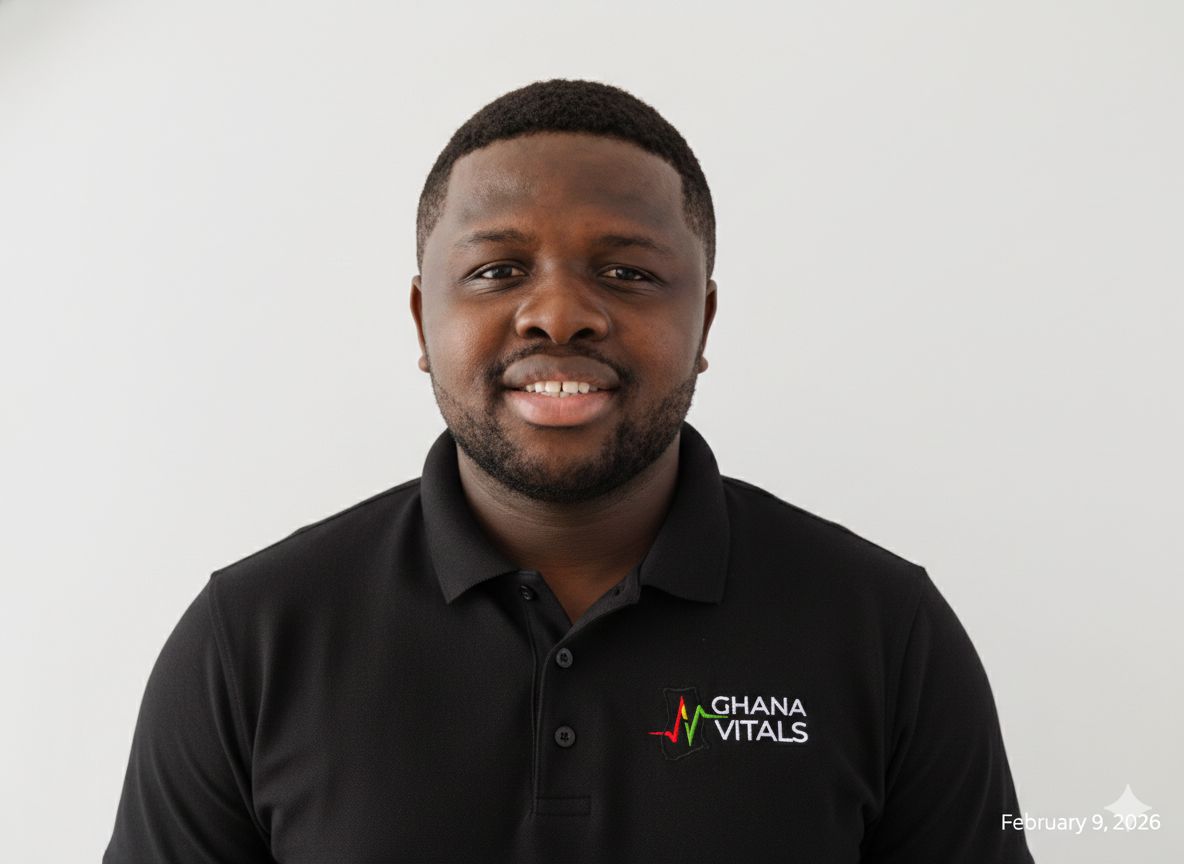
Dr. Festus K. Kunde
Dr. Festus Kaasung Kunde is a medical doctor, Content creator, healthcare technology writer, and digital health innovator specializing in Artificial Intelligence in Medicine, Healthcare Systems Innovation, and Health Data Science in Africa. He is the founder of AI Doctor Africa (AIDoctorAfrica.com), an educational platform dedicated to helping healthcare professionals—including doctors, medical students, nurses, and researchers—understand and responsibly apply artificial intelligence in clinical practice, medical education, medical research, and healthcare innovation. He is also the creator of Ghana Vitals, a health data and predictive analytics initiative focused on collecting and analyzing key health indicators such as blood pressure, blood glucose, and BMI to support early disease detection, preventive healthcare, and data-driven decision-making in Ghana and across Africa. The project reflects his long-term vision of building scalable, AI-powered public health systems for African populations. Dr. Kunde’s work focuses on the practical integration of AI tools such as ChatGPT, Claude, and emerging clinical AI systems into real-world healthcare workflows. His content emphasizes improving clinical documentation, accelerating medical education, strengthening research productivity, and supporting healthcare decision-making in resource-limited settings. Through AI Doctor Africa, he publishes evidence-informed, practice-oriented resources including AI workflows, clinical use cases, medical education guides, and tutorials designed specifically for African healthcare professionals. Through Ghana Vitals, he extends this mission into population health innovation, aiming to leverage real-world health data and predictive models to improve early intervention, reduce preventable disease burden, and strengthen health systems across Africa. His overall mission is to bridge the gap between traditional clinical medicine, artificial intelligence, and data-driven public health, empowering African healthcare professionals to work smarter, diagnose earlier, and deliver better care through technology. Areas of Expertise Artificial Intelligence in Clinical Medicine Digital Health & Healthcare Innovation in Africa Health Data Analytics & Predictive Health Systems Medical Education and Exam Preparation AI for Medical Research and Scientific Writing Clinical Workflow Optimization using AI Tools Public Health Data Systems (Ghana Vitals Initiative) Professional Focus Dr. Kunde’s work sits at the intersection of clinical medicine, artificial intelligence, and population health systems, with a strong focus on scalable solutions for African healthcare challenges. His initiatives emphasize ethical AI use, data-driven decision-making, and practical implementation in real-world clinical and public health environments.
View author profile →